

Quality Standards
American Owned
Mixed, bottled, and tested in the USA
Third-Party Tested
Independently tested for purity and quality
>99% Purity
Exceptional purity you can trust
Also Screened For
Endotoxins + Heavy Metals
Beyond the identity, purity & sterility panel.
Thymosin Alpha-1
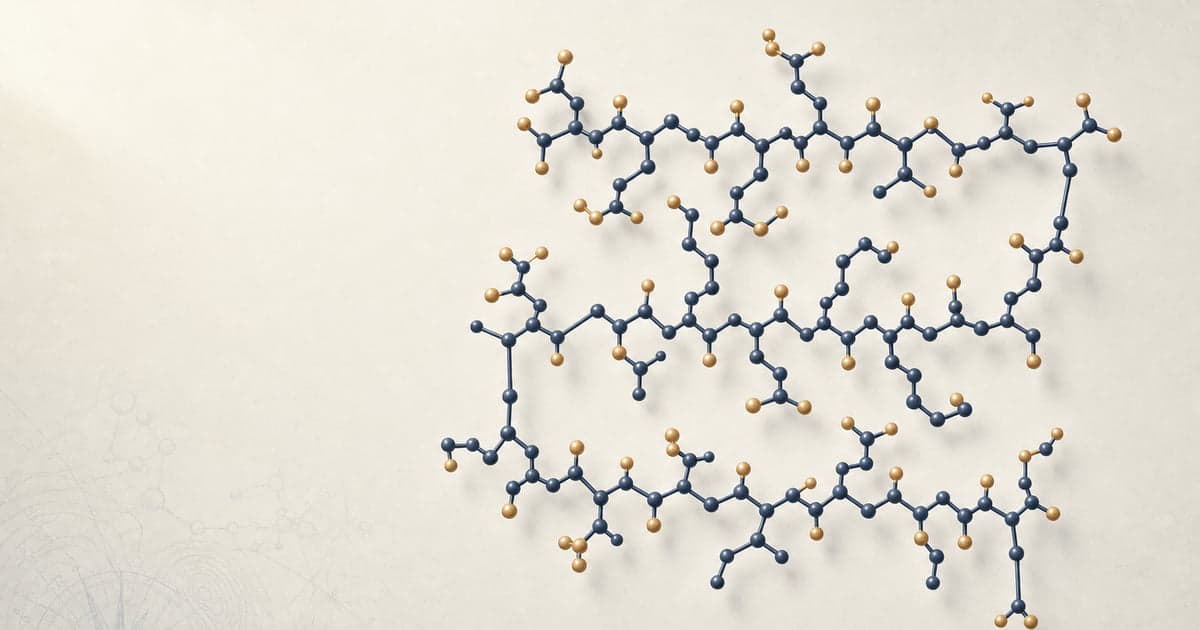
28-amino-acid N-acetylated synthetic peptide derived from prothymosin alpha (UniProt P06454) more info
Available for laboratory research use only.
Quality Standards
American Owned
Mixed, bottled, and tested in the USA
Third-Party Tested
Independently tested for purity and quality
>99% Purity
Exceptional purity you can trust
Also Screened For
Endotoxins + Heavy Metals
Beyond the identity, purity & sterility panel.
Vial size
Choose your supply
3 vials· 30mg total
Save $22.35 (5% off)
Total
$424.65
Volume pricing applies to your total vials, not just this product. Mix or match any vials in your cart to reach the next tier.
Independent Lab Results
The most comprehensive testing panel in research peptide commerce. Every batch is independently verified by ILS Laboratories — an ISO/IEC 17025 and PJLA-accredited facility in San Diego, CA.
- Identity
- Purity (HPLC)
- Endotoxin (USP <85>)
- Sterility screen (PCR)
- Heavy metals (ICP-MS per USP <233>)
Biochemical Profile
- CAS Number
- 62304-98-7
- Molecular Formula
- C129H215N33O55
- Molecular Weight
- 3108.32 g/mol
- Purity
- >99% (HPLC-UV (214-220 nm))
- PubChem CID
- 16130571
- Amino Acid Sequence
- Ac-Ser-Asp-Ala-Ala-Val-Asp-Thr-Ser-Ser-Glu-Ile-Thr-Thr-Lys-Asp-Leu-Lys-Glu-Lys-Lys-Glu-Val-Glu-Glu-Glu-Ala-Glu-Asn
Receptor Targets and Signaling Pathway Context
Thymosin Alpha-1 derives from prothymosin alpha (UniProt P06454, PTMA gene at chromosome 2q37.1), a 109-amino-acid ubiquitously-expressed nuclear protein with functions in chromatin remodeling and nuclear import. Caspase-3 cleaves prothymosin alpha proteolytically to release Tα1 (residues 2-29, N-terminally acetylated on Ser2) as a moonlighting extracellular signaling peptide during cellular stress and apoptosis. The parent-protein provenance is the cleanest in the immunomodulatory peptide literature, contrasting with BPC-157, whose parent protein has never been formally sequenced or assigned a UniProt entry.
In dendritic-cell preparations, Tα1 has been characterized as a Toll-like receptor 2 (TLR2) agonist on myeloid dendritic cells and a Toll-like receptor 9 (TLR9) agonist on plasmacytoid dendritic cells, with downstream MyD88-dependent signaling[1][2]. The landmark mechanism paper by Romani and colleagues at the University of Perugia (Blood 2004) reported that TLR2/TLR9 knockout mice failed to display the Th1 dendritic-cell maturation response observed in wild-type animals after Tα1 administration, providing genetic confirmation of the receptor assignment[1].
Follow-up work from the same Italian consortium (Romani et al., Blood 2006) characterized a separate plasmacytoid-dendritic-cell pathway in which Tα1 was associated with indoleamine 2,3-dioxygenase (IDO) induction, tryptophan catabolism, and regulatory T-cell generation[2]. The dual induction of Th1 effector cells via myeloid dendritic cells and IDO-mediated regulatory T-cell generation via plasmacytoid dendritic cells is the basis for the consortium's characterization of Tα1 as a regulator of both inflammation and tolerance. Bozza and colleagues reported that the TLR9/MyD88/IRF7 axis was associated with type-I interferon induction in murine cytomegalovirus models[3].
The genetic confirmation of mechanism via TLR2, TLR9, and MyD88 knockout mice distinguishes the Tα1 mechanism literature from the multi-pathway pattern that characterizes several other research peptides. Direct receptor binding has been examined in human peripheral blood mononuclear cell preparations as well as in murine models. Goldstein authorship share across the foundational mechanism papers is approximately 15-20 percent (Romani 2004 does not list Goldstein), reflecting a healthier author distribution than research peptides with single-laboratory dominance.
The pharmacokinetic profile of Tα1 has been characterized in healthy volunteers and in chronic hepatitis B subjects across the SciClone development program. Subcutaneous administration at 1.6 mg yielded a reported elimination half-life of approximately 2 hours with rapid systemic distribution. Bioavailability after subcutaneous administration was reported in the range of 80-100 percent in early-phase studies, with the peptide cleared via tubular reabsorption and metabolism in the kidney. No oxidation pathway exists in the Tα1 sequence because the molecule contains no methionine, cysteine, tryptophan, or aromatic residues; the dominant degradation route is deamidation of the C-terminal Asn28 to aspartate or isoaspartate, generating a +1 Da mass shift detectable only by liquid chromatography high-resolution mass spectrometry at unit-mass resolution[4].
Research Applications
Chronic Hepatitis B and HCV Research
Chronic hepatitis B has been the most studied disease area in the Tα1 clinical-trial literature, beginning in the 1990s. Mutchnick and colleagues reported a Western Phase 3 chronic hepatitis B trial in 1999 with 99 randomized participants, with directionally favorable results in a sustained-response endpoint[5]. A subsequent meta-analysis by Andreone in 2003 reported a higher pooled sustained-virological-response rate than control across hepatitis B trials of the era.
The modern hepatitis B nucleoside and nucleotide analog landscape (tenofovir, entecavir) and the modern hepatitis C direct-acting antiviral landscape (sofosbuvir, ledipasvir, glecaprevir-pibrentasvir, with sustained virological response rates above 95 percent) have substantially superseded the Tα1-for-hepatitis narrative in regulatory regions where DAAs are available. The historical hepatitis Tα1 literature is preserved as an evidence base in the approving foreign jurisdictions but is not the active clinical-trial frontier as of 2026.
SciClone ran two US Phase 3 chronic hepatitis C clinical trials in 2007 and 2008, both of which missed the pre-specified primary endpoint of sustained virological response. SciClone discontinued US chronic hepatitis C development following the second negative trial. No US new drug application for chronic hepatitis B was ever filed with the FDA, despite an orphan drug designation for chronic active hepatitis B.
Sepsis Research
Severe sepsis has been a sustained focus of Tα1 clinical research in the Chinese investigator-initiated literature. The ETASS trial (Efficacy of Thymosin Alpha 1 for Severe Sepsis), reported by Wu and colleagues in Critical Care in 2013, was a multicenter randomized double-blind placebo-controlled study with 361 participants assigned to Tα1 plus standard care versus placebo plus standard care[6]. The directionally favorable 28-day mortality difference (26 percent versus 35 percent) did not reach the pre-specified statistical threshold (p=0.062). ETASS was widely cited as a hypothesis-generating positive Phase 2 signal that motivated a confirmatory Phase 3.
The TESTS trial (BMJ, January 2025) was the adequately-powered confirmatory Phase 3 with 1,089 participants randomized across multiple Chinese centers[7]. The pre-specified primary endpoint of 28-day all-cause mortality was MISSED (hazard ratio 0.99, p=0.93). The confirmatory trial result definitively did not replicate the ETASS Phase 2 signal at the pre-specified statistical threshold. The TESTS authors framed the negative result as evidence that any Phase 2 benefit signal had been a chance finding or had failed to scale to the broader sepsis population.
The ETASS-to-TESTS pattern is methodologically distinctive in the research-peptide literature: an adequately-powered confirmatory Phase 3 in a defined indication, conducted within the originating commercial sponsor's regulatory pipeline, returned a definitively null result. The story is not blocked development; the story is a real US-and-international clinical program that produced null confirmatory data.
Oncology Adjuvant Research
Tα1 has been examined as a cytokine-pathway adjuvant in oncology research, with the most substantial published activity in melanoma, hepatocellular carcinoma, and chemotherapy-induced immune suppression. Garaci and colleagues at the University of Rome Tor Vergata characterized Tα1 alongside interferon-alpha co-administration in early-phase melanoma trials in the 1990s through 2000s, framed around the hypothesis that Tα1 might amplify dendritic-cell antigen presentation while interferon-alpha provided direct cytokine activity[8]. The FDA granted Tα1 four orphan drug designations across malignant melanoma (March 2006), chronic active hepatitis B, DiGeorge anomaly with immune defects, and hepatocellular carcinoma. None converted to FDA new drug applications.
SciClone obtained FDA-authorized Phase III for malignant melanoma initiated late 2008. The trial did not produce a published primary endpoint readout that converted to a regulatory submission. Approximately 25 oncology adjunct trials of Tα1 have been registered on ClinicalTrials.gov with a combined enrollment exceeding 4,500 participants, primarily in chemotherapy-induced immune suppression and chronic infection-associated immune dysfunction[8].
The regulatory framing for Tα1 oncology research is that orphan drug designation is a development-pathway facilitation, not an approval. The non-conversion of four FDA orphan designations across two decades, in the context of the absence of any FDA, EMA, MHRA, PMDA, Health Canada, or TGA approval for any oncology indication, is the structural disposition of the oncology Tα1 literature.
COVID-19 and Acute Respiratory Infection Research
COVID-19 Tα1 research began in early 2020, primarily from Chinese investigator-initiated trials and observational studies in the pre-vaccine pre-Paxlovid era. Approximately three randomized COVID-19 trials and several observational cohorts were published, with a combined participant population reported at approximately 3,189 across the meta-analyses[15]. A 2022 meta-analysis of nine trials covering 5,352 participants reported an aggregated risk ratio of 1.03 (95 percent confidence interval 0.60-1.75, p=0.92) with heterogeneity I-squared of approximately 90 percent, returning a definitively null aggregate signal.
The heterogeneity figure indicates that the published COVID-19 Tα1 literature is methodologically inconsistent at the trial-design level, with mixed outcome measures, baseline-population variability, standard-of-care evolution across the 2020-2022 trial window, and mixed administration protocols. The aggregate null result is the methodologically appropriate conclusion from the published evidence base.
The COVID-19 Tα1 literature illustrates how a peptide with established marketing authorization in some jurisdictions was repositioned into emerging clinical contexts via investigator-initiated trials, and how aggregate evidence appraisal returns null even when individual studies report directional signals. The October 2020 House Oversight letter from Representative Krishnamoorthi to the FDA specifically named Tα1 in the context of Tailor Made Compounding's Best Peptides for COVID-19 marketing claims; the FDA warning-letter wave that followed contributed to the regulatory posture observed as of 2026.
Immune Modulation and Vaccine Adjuvant Research
Tα1 has been studied as a vaccine adjuvant in immunocompromised and elderly populations in the published trial literature across several international jurisdictions. The mechanism rationale derives from the dual TLR2/TLR9 dendritic-cell pathway: amplified antigen presentation via Th1 dendritic cells alongside an IDO-mediated regulatory environment via plasmacytoid dendritic cells, providing a defined immunomodulatory profile distinct from generic immune-stimulant claims[1][2].
Approximately 50 trial entries on ClinicalTrials.gov span Tα1 in vaccine adjuvant, immunosenescence, and chronic infection contexts. The Italian Garaci and Romani consortium at the University of Perugia and the University of Rome Tor Vergata produced approximately equal-weight mechanism literature to Goldstein's George Washington University output, with the Italian consortium owning the modern TLR-axis mechanism corpus and the Chinese clinical groups owning the post-2010 trial landscape. The author-distribution profile is methodologically healthier than the citation concentration observed in several other research peptides.
Genetic confirmation of receptor assignment via TLR2, TLR9, and MyD88 knockout mice (Romani et al., Blood 2004 and Blood 2006; Bozza et al., Int Immunol 2007) is rare in the research-peptide literature[1][2][3]. The contrast with peptides whose mechanism rests on inferred receptor identity from pharmacology alone is informative for evidence-quality appraisal.
Replication and Clinical Status
Tα1 occupies a structurally distinctive position in the research-peptide market: approved as a pharmaceutical in approximately 30-37 countries since 1995, including China (NMPA approval 1995, the first market), Italy (AIFA national approval predating EU centralized procedures, manufactured at PATHEON Italia Monza, originally marketed by Sigma-Tau and later Recordati), Russia (Roszdravnadzor), much of Latin America, Asia, and the Middle East. The list of approving regimes is informative; so is the list of absent regimes. Tα1 is NOT approved by the United States FDA, the European Medicines Agency (EMA centralized procedure), the United Kingdom MHRA, Health Canada, Australia TGA, Japan PMDA, or Swissmedic. The absent regimes are precisely the rigorous regulators. The country-count alone is not a regulatory verdict.
No FDA new drug application has been filed. Four orphan drug designations exist (malignant melanoma March 2006, chronic active hepatitis B, DiGeorge anomaly with immune defects, hepatocellular carcinoma) but none have converted to approval. The Pharmacy Compounding Advisory Committee (PCAC) voted AGAINST 503A bulks list inclusion on December 4, 2024 (the same meeting that rejected CJC-1295 and AOD-9604). The FDA briefing for that vote acknowledged absence of significant Tα1-attributable adverse events across the doses studied over up to 12 months of administration, but the committee voted against inclusion citing theoretical concerns about compounded-product immunogenicity and impurity. Tα1 had been moved out of 503A Category 2 (Do-Not-Compound) on September 20, 2024 via nominator withdrawal in the Evexias and Farmakeio lawsuit settlement cohort. The April 22, 2026 RFK Jr. reclassification did not include Tα1 in the 12-peptide removal batch because Tα1 had already been removed from Category 2 in September 2024. The July 23-24, 2026 PCAC review docket does not include Tα1[9].
The Tα1 PubMed corpus is the largest in this research catalog at approximately 1,800-2,200 papers, with Goldstein authorship share of approximately 15-20 percent and substantial weight carried by the Italian Garaci-Romani consortium and post-2010 Chinese clinical groups. SciClone was taken private by a GL Capital-led Chinese consortium for approximately $605 million in October 2017 and relisted on the Hong Kong Stock Exchange (HKG:6600) on March 3, 2021. The molecule sold in international pharmaceutical commerce is the same chemical entity sold in research-use commerce, but the commercial program is now Chinese-owned and post-acquisition oncology adjuvant positioning has been the dominant clinical-program priority.
Research Literature
Published literature reviews from the Peerless research desk that reference Thymosin Alpha-1.
Handling & Storage
- Storage (lyophilized)
- -20°C, dry, dark, 18-24 months
- Storage (in solution)
- 2-8°C, use within 30 days
- Shelf Life
- 18-24 months lyophilized
Research References
- [1] Romani L, Bistoni F, Gaziano R, et al. Thymosin alpha1 activates dendritic cells for antifungal Th1 resistance through Toll-like receptor signaling. Blood. 2004;103(11):4232-4239. doi:10.1182/blood-2003-11-4036PMID:14982877
- [2] Romani L, Bistoni F, Perruccio K, et al. Thymosin alpha1 activates dendritic cell tryptophan catabolism and establishes a regulatory environment for balance of inflammation and tolerance. Blood. 2006;108(7):2265-2274. PMID:16741252
- [3] Bozza S, Gaziano R, Bonifazi P, et al. Thymosin alpha1 activates the TLR9/MyD88/IRF7-dependent murine cytomegalovirus sensing for induction of anti-viral responses in vivo. Int Immunol. 2007;19(11):1261-1270. PMID:17804687
- [4] Goldstein AL, Low TLK, McAdoo M, et al. Thymosin alpha1: isolation and sequence analysis of an immunologically active thymic polypeptide. Proc Natl Acad Sci USA. 1977;74(2):725-729. PMID:265536
- [5] Mutchnick MG, Lindsay KL, Schiff ER, et al. Thymosin alpha1 treatment of chronic hepatitis B: results of a phase III multicentre, randomized, double-blind and placebo-controlled study. J Viral Hepat. 1999;6(5):397-403. PMID:10607256
- [6] Wu J, Zhou L, Liu J, et al. The efficacy of thymosin alpha 1 for severe sepsis (ETASS): a multicenter, single-blind, randomized and controlled trial. Crit Care. 2013;17(1):R8. PMID:23327199
- [7] TESTS Study Group. Multicenter randomized double-blind placebo-controlled trial of thymosin alpha 1 in severe sepsis (TESTS). BMJ. 2025;388:e081818. PMID:39814420
- [8] Garaci E, Pica F, Rasi G, Favalli C. Thymosin alpha 1 in the treatment of cancer: from basic research to clinical application. Int Immunopharmacol. 2003;3(8):1145-1150. doi:10.1016/S1567-5769(03)00074-4PMID:12860171
- [9] United States Food and Drug Administration. Pharmacy Compounding Advisory Committee Meeting, December 4, 2024 — Bulk Drug Substance Nomination Briefing: Thymosin Alpha-1. Vote outcome: AGAINST 503A inclusion. Verified 2026-05-17.
- [10] Andreone P, Cursaro C, Gramenzi A, et al. A randomized controlled trial of thymosin-alpha1 versus interferon alfa treatment in patients with hepatitis B e antigen antibody-positive and HBV DNA-positive chronic hepatitis B. Hepatology. 1996;24(4):774-777. PMID:8855177
- [11] Sjogren MH. Thymalfasin: an immune system enhancer for the treatment of liver disease. J Gastroenterol Hepatol. 2004;19(12 Suppl):S69-S72. PMID:15583674
- [12] Camerini R, Garaci E. Historical review of thymosin alpha 1 in infectious diseases. Expert Opin Biol Ther. 2015;15 Suppl 1:S117-S127. PMID:26098874
- [13] Pica F, Gaziano R, Casalinuovo IA, et al. Serum thymosin alpha 1 levels in normal male subjects. Clin Investig. 1994;72(11):885-888. PMID:7894221
- [14] Costantini C, Bellet MM, Pariano M, et al. A reappraisal of thymosin alpha1 in cancer therapy. Front Oncol. 2019;9:873. PMID:31555601
- [15] Liu Y, Pang H, Hu C, et al. Thymosin alpha 1 as a potential adjunct therapy for COVID-19: a meta-analysis of randomized controlled trials. Front Pharmacol. 2022;13:858932. PMID:35462921
- [16] Low TLK, Goldstein AL. The chemistry and biology of thymosin: amino acid sequence analysis of thymosin alpha1 and polypeptide beta1. J Biol Chem. 1979;254(3):987-995. PMID:762106
Scientific Journal Author
Allan L. Goldstein, PhD
Landmark Publications
- Goldstein AL, Low TLK, McAdoo M, et al. Thymosin alpha1: isolation and sequence analysis of an immunologically active thymic polypeptide. Proc Natl Acad Sci USA. 1977;74(2):725-729. (PMID 265536)
- Low TLK, Goldstein AL. The chemistry and biology of thymosin: amino acid sequence analysis of thymosin alpha1 and polypeptide beta1. J Biol Chem. 1979;254(3):987-995. (PMID 762106)
- Goldstein AL, Hannappel E, Sosne G, Kleinman HK. Thymosin beta4: a multi-functional regenerative peptide. Basic properties and clinical applications. Expert Opin Biol Ther. 2012;12(1):37-51.
Dr. Goldstein is independently cited here as the originating researcher of the thymosin family of peptides at George Washington University, having sequenced Thymosin Alpha-1 in 1977 and Thymosin Beta-4 in 1981. There is no affiliation or commercial relationship between Dr. Goldstein, The George Washington University, and Peerless Peptides.